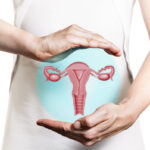


Women’s health after the age of 40 enters a new and important phase. During this stage, the body undergoes natural hormonal, physical, and emotional changes that can affect overall well-being. While aging is a normal process, understanding what to expect after 40 helps women take proactive steps to maintain good health, prevent disease, and enjoy a high quality of life.
Understanding Health Changes After 40
As women age, metabolism slows down, hormone levels fluctuate, and the risk of certain health conditions increases. These changes do not happen overnight but develop gradually.
Why Health Awareness Is Important After 40
After 40, women should focus on:
- Preventive healthcare
- Managing hormonal changes
- Maintaining physical and mental strength
- Reducing the risk of chronic diseases
Early awareness allows women to stay healthy and active for years to come.
Hormonal Changes and Perimenopause
One of the most significant changes after 40 is related to hormones.
What Is Perimenopause?
Perimenopause is the transition period before menopause, during which estrogen levels begin to fluctuate. It can last several years and usually starts in the 40s.
Common Symptoms of Hormonal Changes
Women may experience:
- Irregular menstrual cycles
- Hot flashes and night sweats
- Mood swings and irritability
- Sleep disturbances
- Fatigue
These symptoms vary from woman to woman and may range from mild to severe.
Metabolism, Weight, and Body Changes
Changes in metabolism are common after 40.
Weight Gain and Fat Distribution
After 40, women may notice:
- Easier weight gain
- Increased abdominal fat
- Difficulty losing weight
Hormonal shifts and reduced muscle mass contribute to these changes.
Importance of Muscle Mass
Loss of muscle mass slows metabolism. Strength training and physical activity help maintain muscle and support a healthy weight.
Bone Health After 40
Bone density naturally decreases with age, especially as estrogen levels decline.
Risk of Osteoporosis
Women after 40 face a higher risk of:
- Bone thinning
- Fractures
- Osteoporosis
Adequate calcium, vitamin D, and weight-bearing exercises are essential for bone strength.
Heart Health Considerations
Heart disease becomes a greater risk for women after 40.
Why Heart Health Matters More After 40
Hormonal changes can affect:
- Cholesterol levels
- Blood pressure
- Blood sugar control
Women should pay close attention to cardiovascular health during this stage.
Protecting Heart Health
Key strategies include:
- Eating a heart-healthy diet
- Exercising regularly
- Managing stress
- Avoiding smoking
Regular checkups help detect heart risks early.
Mental and Emotional Health After 40
Mental well-being is just as important as physical health.
Emotional Changes and Stress
Women may face:
- Increased stress from work and family responsibilities
- Anxiety or mood changes
- Emotional sensitivity
Hormonal fluctuations can influence emotional balance.
Supporting Mental Health
Maintaining mental health involves:
- Practicing stress management techniques
- Getting enough sleep
- Staying socially connected
- Seeking professional support when needed
Importance of Regular Health Screenings
Preventive care becomes increasingly important after 40.
Recommended Health Checkups
Women should prioritize:
- Blood pressure and cholesterol tests
- Blood sugar screening
- Bone density tests
- Breast and cervical health screenings
Regular medical visits help detect issues early and improve treatment outcomes.
Lifestyle Tips for Healthy Aging After 40
Healthy habits play a major role in managing age-related changes.
Nutrition for Women Over 40
A balanced diet should include:
- Lean proteins
- Fruits and vegetables
- Whole grains
- Healthy fats
Limiting sugar, salt, and processed foods supports overall health.
Staying Physically Active
Regular physical activity helps:
- Maintain weight
- Strengthen bones and muscles
- Improve mood and energy levels
Consistency is more important than intensity.
Conclusion
Women’s health after 40 involves physical, hormonal, and emotional changes that require greater attention and care. While challenges such as hormonal shifts, weight changes, and increased disease risk may arise, they can be effectively managed with a healthy lifestyle, regular medical checkups, and informed health choices. By understanding what to expect and taking proactive steps, women can protect their health, maintain independence, and enjoy a fulfilling and healthy life beyond 40.