

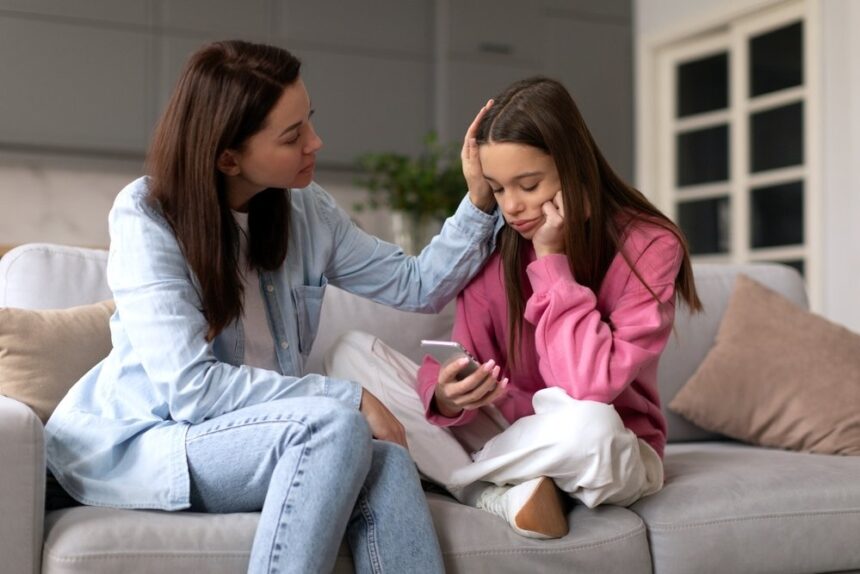
Anxiety can affect children in ways that are not always easy to recognize, especially when symptoms present as changes in behavior, mood, or physical health. Early identification is fundamental for providing appropriate support and preventing long-term emotional challenges. Here’s a closer look at the signs parents should watch for to recognize anxiety in children:
Showing Emotional Anxiety
Children often lack the complex vocabulary needed to articulate that they feel anxious. Instead of stating they are worried, they may express a fundamental fear of making mistakes or performing poorly. A child with generalized anxiety disorder (GAD) may worry excessively about everyday things, such as school performance, family safety, or punctuality. The worry is often disproportionate to the actual situation and is difficult for the child to control.
Perfectionism is another common emotional indicator of anxiety in young people. A child may become extremely upset if their work is not perfect or if they perceive they have failed a task. They may seek constant reassurance from parents or teachers to validate their safety or performance. This need for reassurance often becomes repetitive, and the child may not feel satisfied even after a parent provides comfort.
Experiencing Physical Symptoms
Anxiety triggers the body’s natural defense system, leading to somatic or physical complaints. These symptoms are real to the child and are not an attempt to avoid school or chores. Here are some physical symptoms parents should watch out for:
- Recurrent stomachaches or nausea that have no viral or dietary cause.
- Frequent headaches or complaints of feeling lightheaded or dizzy.
- Muscle tension, body aches, or complaints that their body feels stiff.
- Sleep disruptions, including difficulty falling asleep, staying asleep, or frequent nightmares.
- Rapid heartbeat, shortness of breath, or sweating during non-physical activities.
- Fatigue or exhaustion, even after a full night of sleep, due to mental strain.
If medical exams rule out other conditions, these symptoms likely stem from anxious feelings.
Changing Daily Behavior
Behavioral changes are often the most visible evidence that a child is struggling with mental health. Avoidance is a primary behavior associated with anxiety disorders, and the child may go to great lengths to avoid specific situations, places, or people that trigger their fear. Aggression or “acting out” can also signal underlying anxiety. When a child feels cornered by their fears, they may react with anger or tantrums to escape the situation. This fight-or-flight response appears to be bad behavior, but it is actually a panic response. A previously independent child may also suddenly become clingy, refuse to sleep alone, or experience bedwetting. This happens because the child feels unsafe and seeks the comfort and security associated with earlier developmental stages.
Affecting Everyday Life
The distinguishing factor between normal worry and a disorder is the impact on the child’s ability to function. Ways anxiety affects everyday life include the following:
- Refusal to attend school or frequent calls from the school nurse to go home.
- A significant decline in grades due to an inability to concentrate in class.
- Withdrawal from extracurricular activities or hobbies that the child previously enjoyed.
- Difficulty maintaining friendships or refusing to engage in social interactions.
- Disruption of family life due to the child’s excessive need for reassurance or accommodation.
- Inability to complete daily routines, such as hygiene or homework, without distress.
If you observe these disruptions, it indicates the need for a medical evaluation.
Book Your Appointment for Anxiety
Recognizing the signs of anxiety is the first step toward helping a child regain their confidence and happiness. Early diagnosis and evidence-based care are fundamental in managing symptoms and preventing long-term impacts on development. If your child exhibits these emotional, physical, or behavioral signs, contact a trusted mental health specialist near you to book your appointment today.