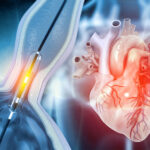


Heart attacks are one of the leading causes of death worldwide. However, many heart attacks are preventable with proper medical care, lifestyle changes, and early detection. Cardiology plays a crucial role in understanding heart health, identifying risk factors, and implementing preventive strategies to reduce the chances of heart attacks. This article explains how cardiology helps in preventing heart attacks and improving overall cardiovascular health.
Understanding Heart Attacks
A heart attack, medically known as myocardial infarction, occurs when blood flow to a part of the heart muscle is blocked. This blockage is usually caused by the buildup of plaque in the coronary arteries.
What Causes a Heart Attack?
Several factors contribute to the development of heart attacks, including:
- High blood pressure
- High cholesterol levels
- Smoking
- Diabetes
- Obesity
- Physical inactivity
- Chronic stress
- Family history of heart disease
Cardiology focuses on identifying and managing these risk factors before they lead to serious heart problems.
What Is Cardiology?
Cardiology is a branch of medicine that deals with the diagnosis, treatment, and prevention of diseases related to the heart and blood vessels.
Role of Cardiologists in Heart Health
Cardiologists are specialists trained to:
- Assess heart health
- Diagnose heart-related conditions
- Provide treatment plans
- Guide patients on preventive care
- Monitor long-term cardiovascular health
Their expertise is essential in reducing the risk of heart attacks.
Early Detection and Risk Assessment
One of the most important roles of cardiology in preventing heart attacks is early detection.
Identifying High-Risk Individuals
Cardiologists evaluate patients based on:
- Medical history
- Family history
- Lifestyle habits
- Blood pressure readings
- Cholesterol levels
- Blood sugar levels
Early identification of risk allows timely intervention.
Diagnostic Tests Used in Cardiology
Cardiology uses advanced diagnostic tools such as:
- Electrocardiogram (ECG)
- Echocardiogram
- Stress tests
- Blood tests
- Coronary angiography
These tests help detect early signs of heart disease before a heart attack occurs.
Managing Risk Factors Through Cardiology
Preventing heart attacks largely depends on controlling risk factors, which is a key focus of cardiology.
Blood Pressure Control
High blood pressure puts extra strain on the heart. Cardiologists recommend:
- Regular monitoring
- Medications if needed
- Dietary changes
- Stress management
Cholesterol Management
Cardiology emphasizes lowering bad cholesterol (LDL) and increasing good cholesterol (HDL) through:
- Heart-healthy diets
- Medications like statins
- Regular physical activity
Diabetes Management
Diabetes significantly increases the risk of heart attacks. Cardiologists work closely with patients to:
- Control blood sugar levels
- Reduce cardiovascular complications
- Promote healthy lifestyle habits
Lifestyle Guidance Provided by Cardiology
Cardiology is not limited to medications and tests; it also focuses on lifestyle modification.
Heart-Healthy Diet Recommendations
Cardiologists advise diets that include:
- Fruits and vegetables
- Whole grains
- Lean proteins
- Healthy fats
- Reduced salt and sugar intake
Importance of Physical Activity
Regular exercise helps:
- Improve heart strength
- Control weight
- Reduce stress
- Lower blood pressure
Cardiology professionals help design safe exercise plans based on individual health conditions.
Smoking Cessation and Stress Management
Smoking is a major cause of heart attacks. Cardiologists strongly encourage quitting smoking and managing stress through:
- Counseling
- Relaxation techniques
- Healthy routines
Preventive Medications and Medical Interventions
In some cases, cardiology uses preventive medications and procedures to reduce heart attack risk.
Preventive Medications
These may include:
- Blood pressure medicines
- Cholesterol-lowering drugs
- Blood thinners
Such medications help prevent artery blockage and heart strain.
Interventional Cardiology
For high-risk patients, procedures such as angioplasty or stent placement may be recommended to restore proper blood flow and prevent heart attacks.
Importance of Regular Cardiology Checkups
Routine visits to a cardiologist are essential, especially for individuals with risk factors.
Benefits of Regular Heart Checkups
- Early detection of problems
- Better management of existing conditions
- Personalized prevention strategies
- Reduced risk of sudden heart attacks
Consistent monitoring helps maintain long-term heart health.
Conclusion
Cardiology plays a vital role in preventing heart attacks by focusing on early detection, risk assessment, lifestyle guidance, and medical management. Through regular checkups, proper diagnosis, and preventive care, cardiology helps individuals maintain a healthy heart and significantly reduces the chances of life-threatening cardiac events. Adopting cardiology-recommended lifestyle changes and seeking timely medical advice can make a lasting difference in protecting heart health and preventing heart attacks.