

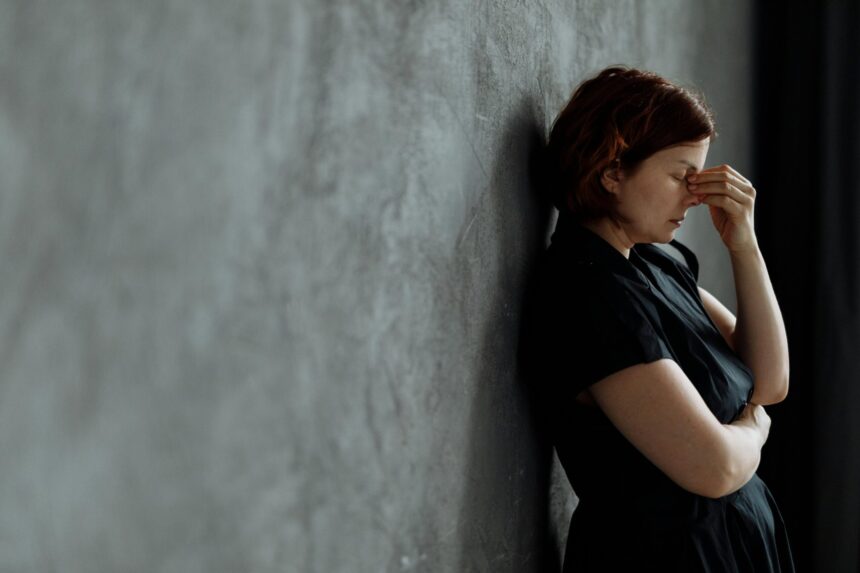
Mental health is a crucial part of overall well-being, yet women face unique mental health challenges due to biological, psychological, and social factors. Hormonal changes, life transitions, societal expectations, and caregiving responsibilities can all influence women’s mental health. Understanding these challenges and learning effective management strategies can help women maintain emotional balance and lead healthier, more fulfilling lives.
Understanding Mental Health in Women
Mental health refers to emotional, psychological, and social well-being. It affects how individuals think, feel, act, and cope with stress.
Why Women Are More Vulnerable to Mental Health Issues
Women are more likely to experience certain mental health conditions due to:
- Hormonal fluctuations during menstruation, pregnancy, and menopause
- Social and cultural pressures
- Work-life balance challenges
- Caregiving roles and responsibilities
- Exposure to stress and trauma
These factors can increase the risk of mental health disorders if not addressed properly.
Common Mental Health Challenges Faced by Women
Women may experience a wide range of mental health issues throughout their lives.
Depression in Women
Depression is one of the most common mental health conditions among women. Symptoms may include:
- Persistent sadness
- Loss of interest in daily activities
- Fatigue
- Feelings of hopelessness or guilt
Untreated depression can interfere with relationships, work, and physical health.
Anxiety Disorders
Women are more likely than men to experience anxiety disorders. Common signs include:
- Excessive worry
- Restlessness
- Rapid heartbeat
- Difficulty concentrating
Anxiety can affect daily functioning and overall quality of life.
Stress and Emotional Burnout
Chronic stress from work, family responsibilities, and social expectations may lead to:
- Emotional exhaustion
- Irritability
- Sleep problems
- Reduced productivity
Long-term stress can increase the risk of anxiety and depression.
Hormonal Influence on Women’s Mental Health
Hormones play a significant role in regulating mood and emotions.
Mental Health During Menstrual Cycles
Hormonal changes during the menstrual cycle can lead to:
- Mood swings
- Irritability
- Premenstrual syndrome (PMS)
Some women experience more severe symptoms that affect daily life.
Pregnancy and Postpartum Mental Health
During and after pregnancy, women may face:
- Emotional sensitivity
- Anxiety
- Postpartum depression
Proper support and early intervention are essential during this period.
Mental Health During Menopause
Menopause-related hormonal shifts may cause:
- Mood changes
- Anxiety
- Sleep disturbances
- Low energy levels
Awareness and management strategies can help ease these symptoms.
Social and Psychological Factors Affecting Women’s Mental Health
Beyond biology, social factors also play a role.
Impact of Social Expectations
Women often face pressure to balance multiple roles, such as:
- Career responsibilities
- Family care
- Social expectations
These pressures can lead to guilt, stress, and emotional strain.
Effects of Trauma and Abuse
Experiences such as emotional, physical, or psychological trauma can have long-lasting effects on mental health and require professional care.
How to Manage Mental Health Challenges in Women
Mental health challenges can be managed effectively with the right approach and support.
Healthy Lifestyle Habits
Simple lifestyle changes can significantly improve mental well-being:
- Regular physical activity
- Balanced and nutritious diet
- Adequate sleep
- Limiting caffeine and alcohol
Healthy routines support emotional stability.
Stress Management Techniques
Effective stress management methods include:
- Deep breathing and relaxation exercises
- Mindfulness and meditation
- Time management and self-care
Reducing stress helps prevent emotional burnout.
Importance of Emotional Support
Strong support systems are essential for mental health:
- Sharing feelings with trusted friends or family
- Joining support groups
- Avoiding isolation
Social connection plays a protective role against mental health issues.
Seeking Professional Help
Professional care is crucial when mental health challenges persist.
Therapy and Counseling
Psychological therapies help women:
- Understand emotional triggers
- Develop coping strategies
- Improve self-confidence
Therapy provides a safe space for healing and growth.
Medical Treatment When Needed
In some cases, treatment may include:
- Medications
- Hormonal therapy
- Treatment for underlying medical conditions
Medical guidance ensures safe and effective care.
Importance of Mental Health Awareness
Awareness helps reduce stigma and encourages early intervention.
Breaking the Stigma Around Women’s Mental Health
Open conversations about mental health:
- Promote understanding
- Encourage help-seeking behavior
- Reduce feelings of shame
Mental health should be treated with the same importance as physical health.
Conclusion
Mental health challenges in women are influenced by hormonal changes, life experiences, and social pressures. Conditions such as depression, anxiety, and stress can affect women at different stages of life, but they are manageable with awareness, healthy lifestyle choices, emotional support, and professional care. By recognizing symptoms early and prioritizing mental well-being, women can build resilience, improve quality of life, and maintain emotional balance. Taking care of mental health is not a luxury—it is a vital part of overall health and empowerment.