
Dental implants are one of the most effective and long-lasting solutions for replacing missing teeth. They restore not only the appearance of a natural smile but also the function of chewing and speaking. With advances in modern dentistry, dental implants have become a safe, reliable, and widely used treatment option for people who have lost one or more teeth.
Understanding Dental Implants
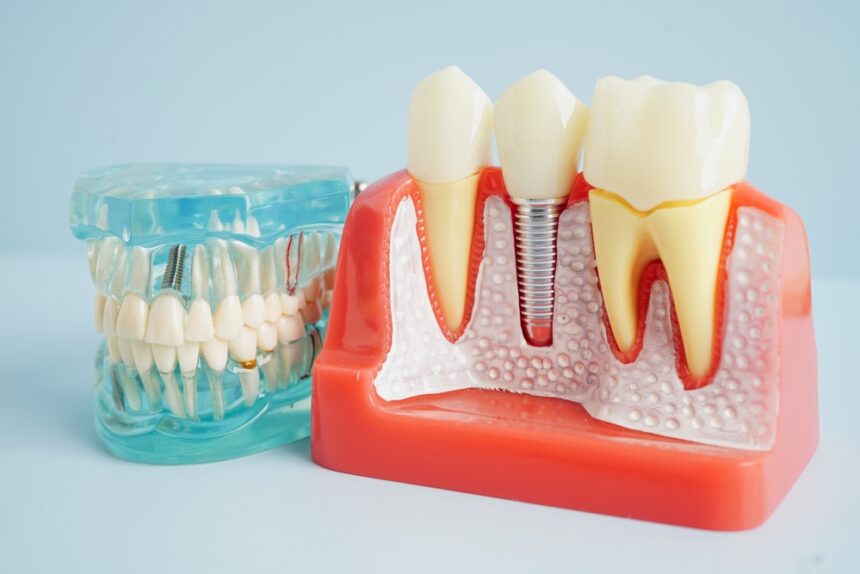
A dental implant is an artificial tooth root, usually made of titanium, that is surgically placed into the jawbone. It serves as a strong foundation for a replacement tooth or crown.
Components of a Dental Implant
A dental implant consists of three main parts:
- Implant post: Inserted into the jawbone
- Abutment: Connects the implant to the crown
- Crown: The visible part that looks like a natural tooth
Together, these components function like a natural tooth.
Who Is a Good Candidate for Dental Implants?
Dental implants are suitable for many people, but certain conditions must be met.
Ideal Candidates for Dental Implants
A person may be a good candidate if they:
- Have one or more missing teeth
- Have healthy gums
- Have enough jawbone to support the implant
- Maintain good oral hygiene
- Are in overall good health
A dental evaluation is necessary to confirm eligibility.
Benefits of Dental Implants
Dental implants offer several advantages over traditional tooth replacement options.
Natural Look and Feel
Dental implants:
- Look like natural teeth
- Feel comfortable and stable
- Blend seamlessly with existing teeth
This helps improve confidence and smile appearance.
Improved Chewing and Speech
Unlike dentures, implants:
- Stay firmly in place
- Allow normal chewing
- Prevent speech difficulties
They restore full mouth function.
Long-Lasting and Durable Solution
With proper care, dental implants can last many years, often a lifetime. They are more durable than bridges or dentures.
Protection of Jawbone Health
When a tooth is lost, the jawbone can shrink over time. Dental implants:
- Stimulate the jawbone
- Prevent bone loss
- Maintain facial structure
This is a major health benefit of implants.
No Impact on Nearby Teeth
Dental implants do not require altering adjacent teeth, unlike dental bridges. This helps preserve natural tooth structure.
Dental Implant Procedure Explained
The dental implant process is performed in stages and may take several months.
Initial Consultation and Planning
The first step includes:
- Oral examination
- X-rays or scans
- Review of medical history
A personalized treatment plan is created based on the patient’s needs.
Implant Placement Surgery
During this stage:
- The implant post is surgically placed into the jawbone
- The area is allowed to heal
- The implant bonds with the bone through a process called osseointegration
Healing may take several weeks to months.
Abutment Placement
Once the implant has fused with the bone:
- An abutment is attached to the implant
- The gums heal around the abutment
This prepares the implant for the crown.
Crown Placement
In the final stage:
- A custom-made crown is attached
- The crown matches the shape and color of natural teeth
The implant is now fully functional.
Recovery and Aftercare
Proper care is essential for successful implant healing.
Recovery After Implant Surgery
Patients may experience:
- Mild swelling
- Discomfort
- Minor bleeding
These symptoms usually resolve within a few days.
Caring for Dental Implants
To maintain implants:
- Brush and floss daily
- Avoid smoking
- Attend regular dental checkups
Good oral hygiene ensures long-term success.
Risks and Considerations
While dental implants are generally safe, some risks exist.
Possible Complications
These may include:
- Infection
- Implant failure
- Nerve damage (rare)
Choosing an experienced dental professional reduces risks.
Conclusion
Dental implants are a highly effective and reliable solution for replacing missing teeth. They offer natural appearance, improved function, long-term durability, and important health benefits such as preserving jawbone structure. Although the procedure takes time and requires proper care, the results are often life-changing. With professional evaluation, careful planning, and good oral hygiene, dental implants can restore both smile and confidence while supporting long-term oral health.