
Cardiology has advanced rapidly over the past few decades, transforming the way heart diseases are diagnosed, treated, and managed. Modern cardiology treatments focus not only on saving lives during emergencies but also on improving long-term heart health and quality of life for patients. These innovations have made heart care safer, more effective, and less invasive than ever before.
Understanding Modern Cardiology
Modern cardiology combines medical science, advanced technology, and personalized care to treat heart conditions more efficiently.
Evolution of Heart Treatments
In the past, heart disease treatments were limited to medications and major surgeries. Today, cardiology offers:
- Minimally invasive procedures
- Advanced imaging techniques
- Targeted drug therapies
- Digital monitoring tools
These advancements help detect heart problems earlier and treat them with greater precision.
Advanced Diagnostic Technologies in Cardiology
Accurate diagnosis is the foundation of effective heart treatment. Modern cardiology uses sophisticated tools to assess heart health.
Non-Invasive Imaging Techniques
Advanced imaging methods include:
- Echocardiography for detailed heart structure analysis
- Cardiac CT scans for detecting artery blockages
- Cardiac MRI for evaluating heart muscle function
These tools allow cardiologists to diagnose conditions without invasive procedures.
Wearable and Remote Monitoring Devices
Modern cardiology increasingly relies on:
- Wearable heart monitors
- Remote ECG devices
- Mobile health applications
These technologies help track heart rhythms and detect abnormalities in real time.
Minimally Invasive Cardiology Procedures
One of the biggest advances in cardiology is the shift toward minimally invasive treatments.
Angioplasty and Stent Placement
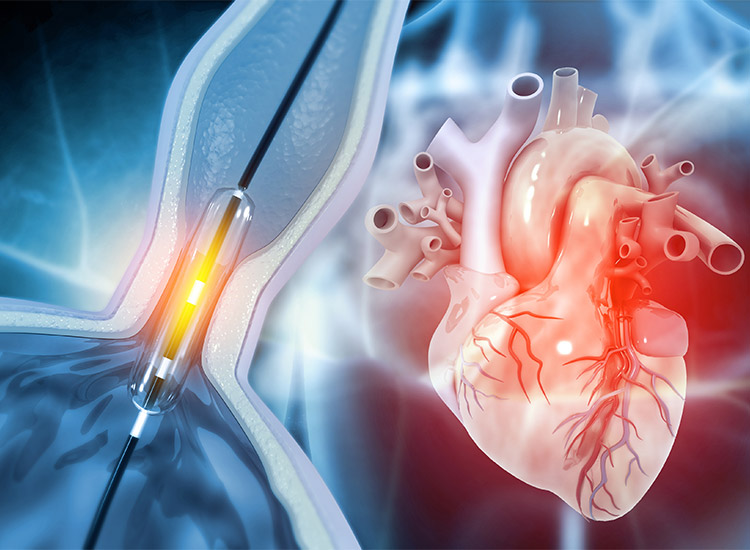
Angioplasty involves opening blocked arteries using a small balloon, often followed by stent placement to keep the artery open. Benefits include:
- Reduced recovery time
- Less pain
- Lower risk of complications
Catheter-Based Treatments
Many heart valve and rhythm disorders are now treated using catheter-based techniques, eliminating the need for open-heart surgery.
Modern Surgical Innovations in Cardiology
While minimally invasive methods are preferred, advanced surgical options remain essential for complex heart conditions.
Robotic-Assisted Heart Surgery
Robotic technology allows surgeons to perform precise procedures through small incisions, resulting in:
- Faster healing
- Reduced blood loss
- Improved surgical accuracy
Advanced Heart Valve Replacement
Modern valve replacement procedures use artificial or biological valves that offer better durability and improved patient outcomes.
Medication Advancements in Heart Care
Pharmaceutical advancements have significantly improved heart disease management.
Targeted Drug Therapies
Modern cardiology medications help:
- Control blood pressure
- Reduce cholesterol levels
- Prevent blood clots
- Improve heart muscle function
These drugs are often tailored to individual patient needs.
Personalized Medicine in Cardiology
Genetic testing and patient-specific data allow cardiologists to choose medications that work best for each individual, reducing side effects and improving effectiveness.
Innovations in Heart Rhythm Management
Heart rhythm disorders are now treated with highly advanced technologies.
Pacemakers and Defibrillators
Modern devices are:
- Smaller and more efficient
- Capable of remote monitoring
- Designed to adapt to patient activity levels
These devices help regulate heart rhythm and prevent sudden cardiac events.
Catheter Ablation Therapy
This procedure uses heat or cold energy to correct abnormal electrical signals in the heart, offering a long-term solution for arrhythmias.
Role of Lifestyle and Rehabilitation in Modern Cardiology
Modern cardiology emphasizes recovery and prevention alongside treatment.
Cardiac Rehabilitation Programs
These programs include:
- Supervised exercise training
- Nutritional counseling
- Stress management
- Patient education
They help patients recover faster and reduce the risk of future heart problems.
Digital Health and Telecardiology
Telecardiology allows patients to consult cardiologists remotely, improving access to care and ongoing heart health management.
Future Directions in Cardiology Treatments
Cardiology continues to evolve with ongoing research and innovation.
Artificial Intelligence in Heart Care
AI is being used to:
- Predict heart disease risk
- Improve diagnostic accuracy
- Support treatment decision-making
Regenerative and Stem Cell Therapies
Emerging therapies aim to repair damaged heart tissue, offering hope for patients with severe heart disease.
Conclusion
Advances in cardiology have revolutionized the treatment of heart patients by introducing modern diagnostic tools, minimally invasive procedures, advanced surgeries, innovative medications, and digital health solutions. These developments not only improve survival rates but also enhance the quality of life for heart patients. As technology and medical research continue to progress, modern cardiology will play an even greater role in providing safer, more effective, and personalized heart care for patients worldwide.