

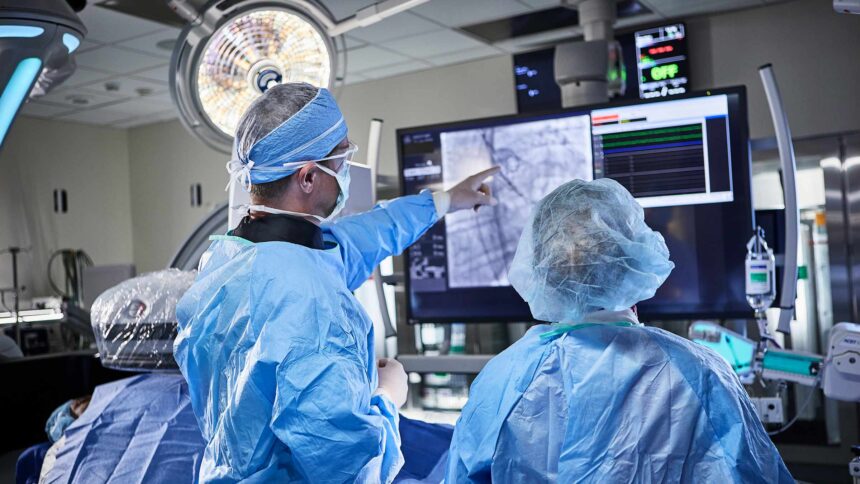
Interventional radiology is a medical specialty that uses imaging techniques to guide minimally invasive procedures. Doctors use these targeted techniques to diagnose and treat various conditions, and patients may experience shorter recovery times. This field relies on advanced imaging tools like ultrasound machines. Here is more information on this medical specialty, the available services, the role of minimally invasive techniques in radiology, and the benefits of professional guidance:
What Is Interventional Radiology?
Interventional radiology combines advanced imaging technology with specialized medical procedures. Radiologists interpret real-time images to navigate precisely through the body, and they use these images to direct small instruments to specific areas. This targeted approach allows doctors to treat diseases at their source.
The equipment used includes CT scans and ultrasound machines. These machines provide a clear view of the internal organs, and the medical team monitors the instruments continuously throughout the process. Patients receive targeted care without the need for extensive surgical exploration, potentially improving patient outcomes.
What Are the Available Services?
Interventional radiologists perform a wide range of diagnostic and therapeutic procedures. They perform biopsies to obtain tissue samples, and they use angiography to examine blood vessels for blockages or abnormalities. Doctors also perform drainage procedures to remove excess fluid from the body.
Treatments for complex conditions are also available through this medical specialty. Advanced therapies include radioembolization and selective internal radiation Therapy (SIRT) for targeted cancer treatment. Providers administer pain management procedures to alleviate chronic discomfort, and they use percutaneous ethanol injection to treat specific types of tumors.
Radiologists provide specialized interventions for liver conditions. They utilize SIRT to deliver radiation directly to hepatic tumors, and this method preserves the healthy liver tissue. These advanced options expand the capabilities of modern radiological treatments.
How Are They Minimally Invasive?
Traditional surgeries require large incisions to access the internal organs. Interventional radiology procedures may require only a small skin incision, and doctors use this entry point to insert catheters or wires. The instruments may travel naturally through the body’s existing networks, like the vascular system. The medical team completes treatment with minimal disruption to the patient’s biological systems.
What Are the Benefits?
Patients undergoing these procedures experience several advantages over traditional open surgery. Recovery times may be shorter, and individuals usually return to their daily activities within a few days. Smaller incisions result in less postoperative pain and scarring.
The risk of complications may decrease with minimally invasive techniques. The chance of infection is lower, and patients may experience less blood loss during the procedure. Some of these treatments are provided on an outpatient basis, allowing patients to recover at home.
Consult a Radiologist Today
Interventional radiology offers numerous minimally invasive options for diagnosis and treatment. A medical evaluation determines if these procedures align with a patient’s specific health condition. Speak with a healthcare provider to review your medical history and ask for a referral to an interventional radiologist if appropriate.
Each patient requires a tailored approach based on their unique diagnosis. A specialist will discuss the available techniques, and they may outline the expected outcomes of the recommended procedure. Schedule a consultation today to explore your interventional radiology treatment options.