

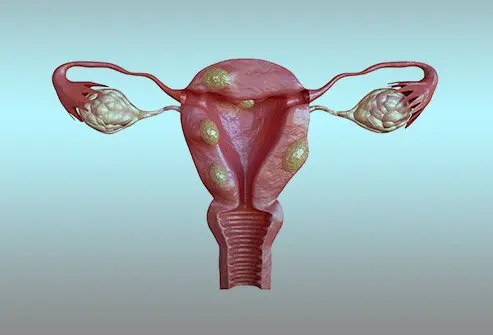
Uterine fibroids are a common condition, and seeking professional help is beneficial. Uterine fibroid embolization (UFE) is a minimally invasive procedure that offers an alternative to traditional surgical methods. Here is more information about fibroids, their symptoms, and the benefits of UFE:
What Are Fibroids?
Fibroids are noncancerous growths that develop in or on the uterus, and they vary in size from small nodules to large masses. These growths consist of muscle and fibrous tissue and appear individually or in clusters. While the exact cause remains unclear, factors such as hormones and genetics may contribute to their development. Uterine fibroid embolization is one treatment option that addresses symptomatic fibroids without requiring major surgery.
What Are the Symptoms?
Some women with fibroids experience no symptoms at all, but others face significant discomfort. Common symptoms include heavy menstrual bleeding, prolonged periods, and pelvic pain or pressure. Some women also experience frequent urination, constipation, or backache due to fibroids pressing on nearby organs. These symptoms can affect daily activities and quality of life, prompting women to seek medical evaluation.
What Is Uterine Fibroid Embolization?
Uterine fibroid embolization is a minimally invasive procedure that blocks blood flow to fibroids, causing them to shrink. During the procedure, an interventional radiologist inserts a catheter into an artery and guides it to the uterine arteries. Small particles are then injected through the catheter, and this blocks the vessels supplying blood to the fibroids.
Without adequate blood supply, the fibroids gradually decrease in size, and symptoms may improve. UFE preserves the uterus, making it a valuable option for women who want to avoid hysterectomy. The procedure typically takes one hour and is performed under sedation.
What Does the Process Involve?
The UFE process begins with a consultation, and this determines whether the procedure is appropriate for the patient. An interventional radiologist reviews medical history, imaging results, and symptom severity to assess candidacy. Patients may undergo additional imaging studies to map fibroid locations and plan the procedure.
On the day of the procedure, the patient receives sedation to minimize discomfort. The radiologist makes a small incision and inserts a catheter into an artery. The catheter is advanced to the uterine arteries, and embolic particles are injected to block blood flow to the fibroids. Recovery is relatively quick.
What Are the Benefits?
UFE offers several advantages over surgical alternatives. The procedure is minimally invasive, requiring only a small incision, and this may result in less pain and faster recovery. Because UFE preserves the uterus, it is an option for women who wish to maintain fertility or avoid major surgery.
UFE effectively reduces symptoms, with patients potentially experiencing significant improvement in heavy bleeding and pelvic pressure. The procedure also has a low risk of complications, and it can treat multiple fibroids in a single session. Most women can return to work and daily activities quickly, making it a convenient option for those with busy lifestyles.
Learn More From a Specialist
Uterine fibroid embolization is a safe and effective treatment option for women experiencing symptomatic fibroids. The procedure offers a minimally invasive alternative to surgery, with short recovery times and the preservation of the uterus. Schedule a consultation today and learn more about how UFE can help you manage your symptoms and improve your well-being.