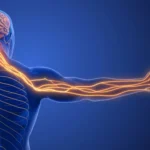


Pain can limit movement, reduce independence, and negatively affect quality of life. Physical therapy is one of the most effective non-surgical approaches to pain management, helping people reduce pain, restore function, and prevent future injuries. Rather than masking symptoms, physical therapy addresses the root causes of pain through movement-based treatment, education, and rehabilitation.
Understanding Physical Therapy in Pain Management
Physical therapy is a healthcare discipline focused on improving movement, strength, and physical function. In pain management, it plays a central role in treating both acute and chronic pain conditions.
Goals of Physical Therapy for Pain Relief
The main objectives of physical therapy include:
- Reducing pain and inflammation
- Improving mobility and flexibility
- Strengthening muscles
- Correcting posture and movement patterns
- Preventing pain recurrence
Physical therapy programs are personalized based on the patient’s condition and pain level.
How Physical Therapy Reduces Pain
Physical therapy uses targeted techniques that help the body heal naturally.
Improving Blood Flow and Healing
Therapeutic exercises and movements increase blood circulation, which:
- Delivers oxygen and nutrients to tissues
- Promotes healing
- Reduces stiffness and inflammation
Improved circulation plays a key role in pain reduction.
Reducing Muscle Tension and Joint Stiffness
Tight muscles and stiff joints are common sources of pain. Physical therapy helps by:
- Stretching tight muscles
- Mobilizing stiff joints
- Restoring normal movement
This reduces discomfort and improves overall function.
Role of Exercise in Pain Management
Exercise is a cornerstone of physical therapy.
Strengthening Weak Muscles
Weak muscles place extra stress on joints and nerves. Strengthening exercises:
- Support joints
- Improve stability
- Reduce strain on painful areas
Stronger muscles help prevent future injuries.
Improving Flexibility and Range of Motion
Flexibility exercises help:
- Reduce joint stiffness
- Improve posture
- Decrease movement-related pain
Improved range of motion makes daily activities easier and less painful.
Physical Therapy for Different Types of Pain
Physical therapy is effective for a wide range of pain conditions.
Physical Therapy for Back and Neck Pain
For spinal pain, physical therapy focuses on:
- Posture correction
- Core strengthening
- Spinal mobility exercises
These techniques help relieve pressure on nerves and muscles.
Physical Therapy for Joint Pain and Arthritis
In joint-related pain, therapy helps:
- Reduce joint stiffness
- Improve joint function
- Strengthen surrounding muscles
This allows better movement with less pain.
Physical Therapy for Nerve Pain
For nerve-related pain, physical therapy may:
- Reduce nerve compression
- Improve nerve mobility
- Decrease pain sensitivity
Gentle movements help calm irritated nerves.
Pain Relief Techniques Used in Physical Therapy
Physical therapists use various techniques to manage pain.
Manual Therapy
Manual therapy involves hands-on techniques such as:
- Soft tissue mobilization
- Joint mobilization
- Massage
These methods reduce pain, improve movement, and relax muscles.
Therapeutic Modalities
Physical therapy may also include:
- Heat therapy to relax muscles
- Cold therapy to reduce inflammation
- Electrical stimulation to decrease pain signals
These modalities support pain relief during treatment.
Education and Lifestyle Guidance in Physical Therapy
Education is an important part of pain management.
Teaching Proper Movement and Posture
Physical therapists educate patients on:
- Correct posture
- Safe movement techniques
- Injury prevention strategies
Better movement habits reduce pain and prevent reinjury.
Encouraging Active Pain Management
Physical therapy empowers patients to:
- Stay active safely
- Manage pain independently
- Avoid reliance on medications
Active participation leads to long-term pain control.
Benefits of Physical Therapy Over Medication or Surgery
Physical therapy offers long-term advantages.
Key Benefits
- Non-invasive and safe
- Addresses the root cause of pain
- Improves strength and mobility
- Reduces dependency on pain medications
- Lowers the need for surgery
These benefits make physical therapy a preferred first-line treatment for many pain conditions.
When to Consider Physical Therapy for Pain
Physical therapy is suitable for:
- Chronic pain conditions
- Post-injury recovery
- Post-surgical rehabilitation
- Sports injuries
- Age-related pain
Early treatment often leads to faster and better outcomes.
Conclusion
Physical therapy plays a vital role in pain management by reducing pain, restoring movement, and improving overall function. Through targeted exercises, manual therapy, education, and lifestyle guidance, physical therapy addresses the underlying causes of pain rather than just the symptoms. It offers a safe, effective, and long-term solution for managing pain without surgery or heavy reliance on medications. By staying active and following a personalized therapy plan, individuals can regain control over their pain and enjoy a healthier, more functional life.