

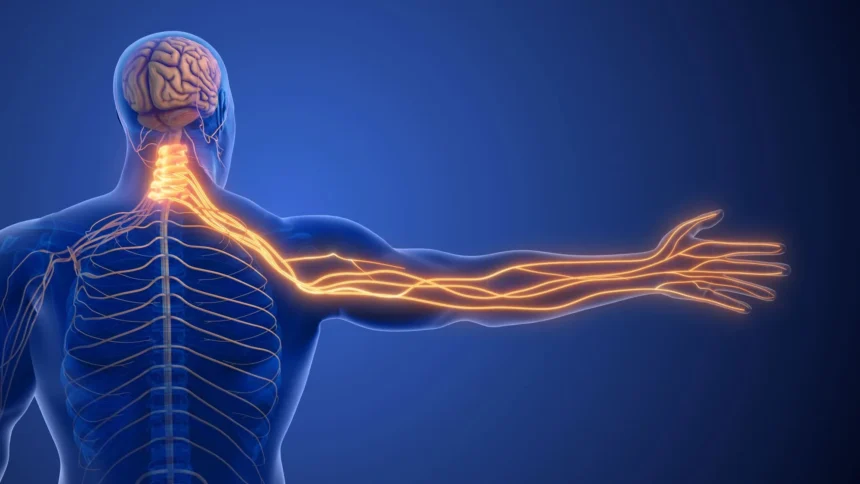
Nerve pain, commonly known as neuropathic pain, is a complex and often chronic condition that can significantly affect quality of life. Unlike pain caused by injury or inflammation, nerve pain results from damage or dysfunction of the nervous system itself. Effective pain management for nerve pain and neuropathy requires a targeted, multidisciplinary approach that focuses on symptom relief, functional improvement, and addressing underlying causes.
Understanding Nerve Pain and Neuropathy
Neuropathy refers to damage or dysfunction of one or more nerves, leading to abnormal sensations and pain.
What Is Nerve Pain?
Nerve pain is typically described as:
- Burning
- Tingling
- Shooting or stabbing
- Electric shock–like
- Numbness or pins-and-needles sensation
This type of pain can be persistent and may worsen at night.
Common Causes of Neuropathy
Neuropathy can develop due to:
- Diabetes
- Nerve compression or injury
- Vitamin deficiencies
- Infections
- Autoimmune disorders
- Chemotherapy and certain medications
- Alcohol abuse
Identifying the cause is essential for effective pain management.
Symptoms of Nerve Pain and Neuropathy
Symptoms may vary depending on the affected nerves.
Physical Symptoms
Common physical symptoms include:
- Chronic burning or sharp pain
- Tingling or numbness
- Muscle weakness
- Sensitivity to touch
- Loss of coordination
These symptoms may gradually worsen if not treated.
Impact on Daily Life
Nerve pain can:
- Disrupt sleep
- Limit mobility
- Reduce work productivity
- Affect emotional well-being
Comprehensive pain management aims to restore daily function.
Non-Surgical Pain Management for Nerve Pain
Most nerve pain conditions are treated without surgery.
Medications for Nerve Pain
Unlike regular painkillers, neuropathic pain often requires specialized medications.
Commonly Used Medications
These may include:
- Nerve pain–specific medications
- Certain antidepressants
- Anti-seizure medications
These drugs help regulate abnormal nerve signals and reduce pain intensity.
Physical Therapy for Neuropathy
Physical therapy plays an important role in nerve pain management.
Benefits of Physical Therapy
Physical therapy helps:
- Improve muscle strength
- Enhance balance and coordination
- Reduce nerve pressure
- Prevent further nerve damage
Customized exercise programs are designed based on individual needs.
Interventional Pain Management Techniques
When medications and therapy are insufficient, interventional treatments may be considered.
Nerve Blocks and Injections
Nerve blocks involve injecting medication near affected nerves to:
- Reduce inflammation
- Interrupt pain signals
- Provide temporary or long-lasting relief
These procedures are minimally invasive and performed under medical guidance.
Advanced Non-Surgical Procedures
Some patients benefit from:
- Radiofrequency nerve treatments
- Electrical nerve stimulation techniques
These methods target pain at its source without surgery.
Lifestyle Modifications for Managing Neuropathy
Daily habits have a strong influence on nerve pain.
Importance of Blood Sugar Control
For diabetic neuropathy, maintaining stable blood sugar levels is critical to:
- Prevent progression
- Reduce nerve damage
- Improve pain control
Nutrition and Nerve Health
A healthy diet supports nerve function by:
- Reducing inflammation
- Providing essential vitamins
- Supporting overall healing
Vitamin deficiencies should be corrected under medical supervision.
Psychological Approaches to Nerve Pain Management
Chronic nerve pain affects mental and emotional health.
Cognitive Behavioral Therapy (CBT)
CBT helps patients:
- Cope with chronic pain
- Reduce stress-related pain amplification
- Improve emotional resilience
Psychological support enhances overall pain management outcomes.
Complementary Therapies for Neuropathy
Some patients find relief through additional therapies.
Alternative Pain Relief Options
These may include:
- Acupuncture
- Relaxation techniques
- Heat and cold therapy
While not replacements for medical care, they can support pain relief.
Importance of Early Diagnosis and Ongoing Care
Early intervention improves outcomes in nerve pain conditions.
Regular Medical Monitoring
Ongoing care helps:
- Track symptom progression
- Adjust treatment plans
- Prevent complications
Pain management for neuropathy is often long-term and requires regular follow-up.
When to See a Pain Management Specialist
Specialist care may be needed if:
- Pain is persistent or worsening
- Daily activities are affected
- Standard treatments are ineffective
A pain management specialist can design a personalized treatment plan.
Conclusion
Pain management for nerve pain and neuropathy requires a comprehensive and individualized approach. Through specialized medications, physical therapy, interventional techniques, lifestyle changes, and psychological support, many patients can achieve meaningful pain relief without surgery. Early diagnosis, consistent treatment, and ongoing medical care are key to preventing progression and improving quality of life. With the right pain management strategy, individuals with nerve pain and neuropathy can regain function, comfort, and control over their daily lives.