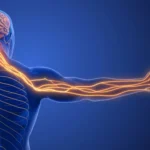


Pain can significantly affect daily life, mobility, and emotional well-being. While surgery may be necessary in some cases, many types of pain can be effectively treated without surgical intervention. Non-surgical pain management techniques focus on reducing pain, improving function, and enhancing quality of life through safe and less invasive methods. These approaches are often the first line of treatment for both acute and chronic pain conditions.
Understanding Non-Surgical Pain Management
Non-surgical pain management involves treating pain without the use of surgical procedures. It uses a combination of medical, physical, psychological, and lifestyle-based therapies tailored to the patient’s condition.
Goals of Non-Surgical Pain Management
The main objectives include:
- Reducing pain intensity
- Improving mobility and function
- Preventing pain from becoming chronic
- Enhancing overall quality of life
- Minimizing reliance on surgery and strong medications
Medication-Based Pain Management
Medications are commonly used as part of non-surgical pain treatment.
Over-the-Counter Pain Relievers
These medications help manage mild to moderate pain:
- Acetaminophen
- Nonsteroidal anti-inflammatory drugs (NSAIDs)
They are often used for headaches, muscle pain, and joint discomfort.
Prescription Medications
For more severe pain, doctors may prescribe:
- Muscle relaxants
- Nerve pain medications
- Anti-inflammatory drugs
These medications are carefully selected based on the type and cause of pain.
Physical Therapy and Rehabilitation
Physical therapy is one of the most effective non-surgical pain management techniques.
How Physical Therapy Reduces Pain
Physical therapy helps by:
- Strengthening muscles
- Improving flexibility and posture
- Reducing joint stiffness
- Enhancing movement and balance
A structured therapy program can significantly reduce pain over time.
Exercise-Based Pain Relief
Low-impact exercises such as stretching, walking, and strengthening routines help manage chronic pain and prevent future injuries.
Interventional Non-Surgical Pain Treatments
Some pain conditions respond well to minimally invasive, non-surgical procedures.
Injection-Based Therapies
These may include:
- Corticosteroid injections
- Nerve block injections
Such treatments reduce inflammation and interrupt pain signals.
Radiofrequency and Nerve Treatments
These techniques target pain-causing nerves to provide longer-lasting relief without surgery.
Psychological Approaches to Pain Management
Pain is influenced by both physical and emotional factors.
Cognitive Behavioral Therapy (CBT)
CBT helps patients:
- Change negative thought patterns
- Develop coping strategies
- Reduce stress-related pain
This approach is especially useful for chronic pain conditions.
Stress and Relaxation Techniques
Relaxation methods such as:
- Deep breathing
- Meditation
- Mindfulness
help lower muscle tension and pain perception.
Lifestyle-Based Pain Management Techniques
Daily habits play a major role in pain control.
Importance of Proper Nutrition
A balanced diet helps:
- Reduce inflammation
- Support muscle and joint health
- Improve energy levels
Certain foods can worsen inflammation, while others promote healing.
Sleep and Pain Management
Poor sleep increases pain sensitivity. Improving sleep quality helps:
- Lower pain levels
- Improve mood
- Enhance recovery
Alternative and Complementary Pain Therapies
Many patients benefit from complementary treatments alongside medical care.
Acupuncture and Manual Therapies
These therapies may help:
- Improve blood flow
- Release muscle tension
- Reduce chronic pain
They are commonly used for back pain, neck pain, and headaches.
Heat and Cold Therapy
- Heat relaxes muscles and improves circulation
- Cold reduces swelling and numbs pain
Both methods are simple and effective for short-term pain relief.
Benefits of Non-Surgical Pain Management
Non-surgical approaches offer several advantages.
Key Benefits
- Lower risk compared to surgery
- Shorter recovery time
- Cost-effective treatment
- Personalized care options
- Improved long-term pain control
Many patients experience significant relief without invasive procedures.
When to Consider Non-Surgical Pain Management
Non-surgical pain management is ideal for:
- Chronic back or joint pain
- Nerve-related pain
- Arthritis
- Sports injuries
- Post-injury or post-surgical recovery
Early intervention improves outcomes and may prevent the need for surgery.
Conclusion
Non-surgical pain management techniques provide safe, effective, and flexible options for treating a wide range of pain conditions. Through medications, physical therapy, psychological support, lifestyle changes, and minimally invasive procedures, patients can achieve meaningful pain relief without surgery. A personalized, multidisciplinary approach not only reduces pain but also improves function and quality of life. Choosing non-surgical pain management empowers individuals to manage pain effectively while minimizing risks and promoting long-term well-being.