
A bright, white smile is often associated with good oral health and confidence. As a result, teeth whitening has become one of the most popular cosmetic dental procedures. However, along with its popularity come many myths and misconceptions that can lead to unsafe practices and unrealistic expectations. Understanding safe teeth whitening methods and separating facts from myths is essential for protecting dental health.
Understanding Teeth Whitening
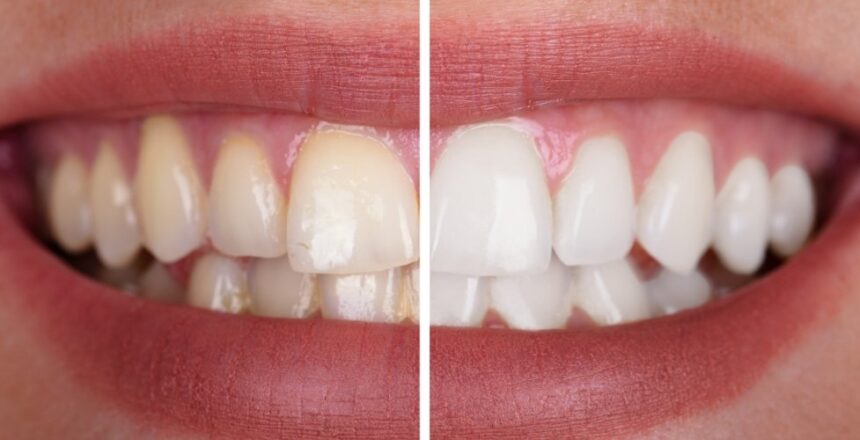
Teeth whitening is a cosmetic dental process that lightens the color of teeth by removing stains and discoloration.
Why Teeth Become Discolored
Teeth may lose their natural whiteness due to:
- Consumption of tea, coffee, and colored beverages
- Smoking and tobacco use
- Poor oral hygiene
- Aging
- Certain medications
Whitening treatments focus on improving tooth color, not changing the natural structure of teeth.
Safe Methods of Teeth Whitening
There are several safe and effective ways to whiten teeth when done correctly.
Professional Teeth Whitening by a Dentist
Dentist-supervised whitening is considered the safest and most effective option.
Benefits of Professional Whitening
- Controlled and safe whitening agents
- Faster and longer-lasting results
- Reduced risk of tooth sensitivity
- Professional evaluation before treatment
This method is ideal for individuals seeking noticeable and safe results.
At-Home Whitening Kits Approved by Dentists
Dentist-recommended home kits can also be effective.
How These Kits Work
- Use mild bleaching agents
- Include custom or standard trays
- Require consistent use over time
When used as directed, these kits are generally safe.
Whitening Toothpaste and Mouthwash
Whitening toothpaste helps remove surface stains.
Limitations of Whitening Toothpaste
- Does not change the natural tooth color
- Results are gradual
- Best for maintaining whiteness after professional treatment
These products are safe for daily use when used correctly.
Common Teeth Whitening Myths
Many myths about teeth whitening can lead to damage or disappointment.
Myth 1: Whitening Damages Teeth Permanently
One common myth is that whitening weakens or damages teeth. When performed correctly using approved products, teeth whitening does not harm enamel.
Myth 2: Natural Remedies Are Always Safe
Home remedies such as lemon juice, baking soda, or charcoal are often believed to be safe. In reality:
- They can erode enamel
- Increase tooth sensitivity
- Cause long-term damage
Natural does not always mean safe.
Myth 3: Whitening Works the Same for Everyone
Teeth whitening results vary depending on:
- Type of stains
- Tooth structure
- Age
Not all teeth respond the same way to whitening treatments.
Myth 4: More Whitening Means Better Results
Overusing whitening products does not improve results and may cause:
- Tooth sensitivity
- Gum irritation
- Enamel damage
Following professional guidance is essential.
Side Effects and Safety Considerations
While whitening is generally safe, some temporary side effects may occur.
Common Side Effects
- Mild tooth sensitivity
- Temporary gum irritation
These effects usually fade within a few days.
Who Should Avoid Teeth Whitening?
Teeth whitening may not be suitable for:
- Pregnant women
- People with gum disease
- Individuals with tooth decay
- Those with dental restorations on front teeth
A dental consultation is recommended before whitening.
Tips for Maintaining White Teeth Safely
Whitening results last longer with proper care.
Daily Habits for a Brighter Smile
- Brush and floss regularly
- Avoid tobacco use
- Limit stain-causing foods and drinks
- Visit the dentist regularly
Maintaining oral hygiene helps preserve whitening results.
Conclusion
Teeth whitening can be a safe and effective way to enhance your smile when done using approved methods and professional guidance. Understanding the difference between safe whitening options and harmful myths is crucial for protecting oral health. Avoiding unverified home remedies, following proper instructions, and consulting a dentist ensure that teeth whitening improves appearance without causing damage. A healthy approach to whitening leads to a brighter smile and long-term dental well-being.