

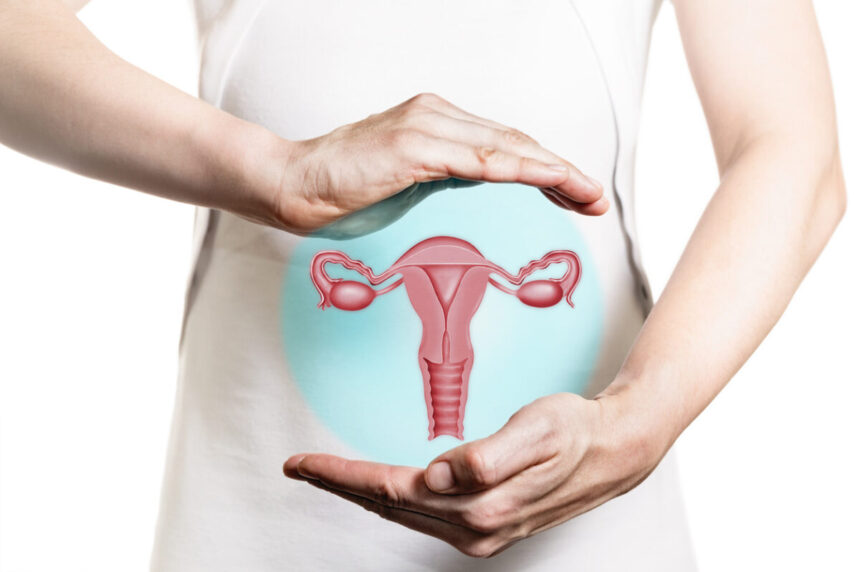
Women’s reproductive health is a vital part of overall well-being and quality of life. It affects physical health, emotional balance, fertility, and long-term wellness. Understanding reproductive health empowers women to make informed decisions, recognize early warning signs, and seek timely medical care. From puberty to menopause, reproductive health needs change at every stage of life.
Understanding Women’s Reproductive Health
Reproductive health refers to the proper functioning of the female reproductive system and the ability to maintain it in a healthy state.
Components of the Female Reproductive System
The female reproductive system includes:
- Ovaries
- Fallopian tubes
- Uterus
- Cervix
- Vagina
These organs work together to regulate menstrual cycles, support pregnancy, and maintain hormonal balance.
Why Reproductive Health Is Important
Good reproductive health:
- Supports fertility and healthy pregnancies
- Prevents infections and chronic conditions
- Maintains hormonal balance
- Improves mental and emotional well-being
Ignoring reproductive health can lead to long-term complications.
Menstrual Health and Its Importance
Menstruation is a natural biological process and a key indicator of reproductive health.
What Is a Healthy Menstrual Cycle?
A healthy cycle typically:
- Occurs every 21–35 days
- Lasts 3–7 days
- Has manageable pain and flow
Irregular cycles may indicate hormonal imbalance or underlying health issues.
Common Menstrual Problems
Women may experience:
- Irregular or missed periods
- Heavy bleeding
- Severe cramps
- Premenstrual syndrome (PMS)
Persistent issues should be evaluated by a healthcare professional.
Reproductive Health During the Reproductive Years
The reproductive years require special attention to fertility, contraception, and sexual health.
Fertility Awareness and Family Planning
Understanding ovulation and fertility helps women:
- Plan or prevent pregnancy
- Identify reproductive disorders early
Family planning methods allow women to make informed choices about childbirth timing.
Sexual Health and Safety
Sexual health includes:
- Protection from sexually transmitted infections (STIs)
- Safe and consensual sexual practices
- Regular screening and testing
Maintaining sexual health is essential for reproductive well-being.
Pregnancy and Maternal Reproductive Health
Pregnancy places increased demands on a woman’s body and reproductive system.
Importance of Prenatal Care
Prenatal care helps:
- Monitor mother and baby’s health
- Detect complications early
- Promote healthy fetal development
Regular checkups are essential for safe pregnancy outcomes.
Postpartum Reproductive Health
After childbirth, women may experience:
- Hormonal changes
- Physical recovery challenges
- Emotional adjustments
Postpartum care supports healing and long-term reproductive health.
Reproductive Health Challenges in Women
Many women face reproductive health issues that require medical attention.
Common Reproductive Health Conditions
These include:
- Polycystic ovary syndrome (PCOS)
- Endometriosis
- Fibroids
- Pelvic inflammatory disease (PID)
Early diagnosis improves treatment success and quality of life.
Infertility and Emotional Impact
Infertility can affect emotional and mental health. Support, counseling, and medical guidance play an important role in coping and treatment.
Reproductive Health During Menopause
Menopause marks the end of reproductive years and brings significant changes.
Hormonal Changes and Symptoms
Common symptoms include:
- Hot flashes
- Mood swings
- Irregular periods
- Vaginal dryness
Understanding these changes helps women manage symptoms effectively.
Post-Menopausal Health Care
After menopause, women should focus on:
- Bone health
- Heart health
- Regular gynecological checkups
Proper care supports healthy aging.
Importance of Regular Reproductive Health Checkups
Routine medical visits are essential for maintaining reproductive health.
Benefits of Regular Screenings
Regular checkups help:
- Detect infections and cancers early
- Monitor hormonal health
- Prevent complications
Screenings such as pelvic exams and Pap tests are crucial for early detection.
Lifestyle Choices and Reproductive Health
Daily habits significantly influence reproductive well-being.
Healthy Habits for Reproductive Health
Women should:
- Eat a balanced diet
- Exercise regularly
- Manage stress
- Get enough sleep
- Avoid smoking and excessive alcohol
Healthy choices support hormonal balance and reproductive function.
Conclusion
Women’s reproductive health is a lifelong priority that affects physical, emotional, and social well-being. Understanding menstrual health, fertility, pregnancy, menopause, and common reproductive conditions allows women to take control of their health. Regular checkups, healthy lifestyle choices, and timely medical care are essential for maintaining reproductive wellness. By staying informed and proactive, every woman can protect her reproductive health and enjoy a healthier, more empowered life.